
Introduction: The Viability of Low-Budget Startups
Starting a business has historically been viewed as a high-cost endeavor, often requiring thousands of dollars in capital, office space, and inventory. However, the economic landscape of 2026 has completely changed these traditional requirements. Thanks to high inflation driving the demand for secondary incomes and the democratization of digital tools, free marketing platforms, and no-code software, launching a highly profitable business with minimal cash is now a realistic path. Low-budget startups are not only viable; they are often the smartest way to test ideas without financial risk. By focusing on service-oriented or digital models, you can bootstrap your way to profitability. If you are looking for legitimate ways to make money from home, starting a small business is a great option, and exploring these successful online business models can give you valuable inspiration. In this guide, we break down 16 business ideas you can launch with $500 or less, complete with startup cost breakdowns, required equipment, and scaling tips.
1. Holiday Lighting Installation

Holiday lighting installation is a highly profitable, seasonal local business. Homeowners are willing to pay premium rates to avoid climbing tall ladders during the winter. To get started under $500, you need a commercial-grade extension ladder, extension cords, safety harnesses, timers, and professional marketing flyers. You can negotiate wholesale discounts on LED light strings and timers at local hardware stores to keep material costs low. The startup cost breakdown is $180 for a quality extension ladder, $70 for safety gear, and $100 for local advertising flyers and yard signs. The remaining $150 covers insurance and fuel. You scale this business by securing booking contracts early in autumn and offering recurring maintenance agreements. For more physical service inspiration, see our list of small business ideas.
2. Airbnb Co-Hosting & Management

Airbnb co-hosting allows you to enter the short-term rental market without owning property. You manage guest communication, check-ins, cleaning schedules, and listing optimization for busy property owners who want passive real estate income. This makes for one of the most flexible part-time evening jobs you can find. You can use free messaging templates or specialized channel managers like Hostaway to automate most communications. The startup cost breakdown is $100 for digital listing optimization software, $100 for local networking events, and $150 for targeted online ads. The remaining $150 is kept as a cash buffer. You only need a smartphone and laptop to manage operations. You scale by taking a percentage (typically 10% to 20%) of the booking revenue and expanding your portfolio to manage multiple short-term rental properties in your local area.
3. Mobile Screen Door Repair
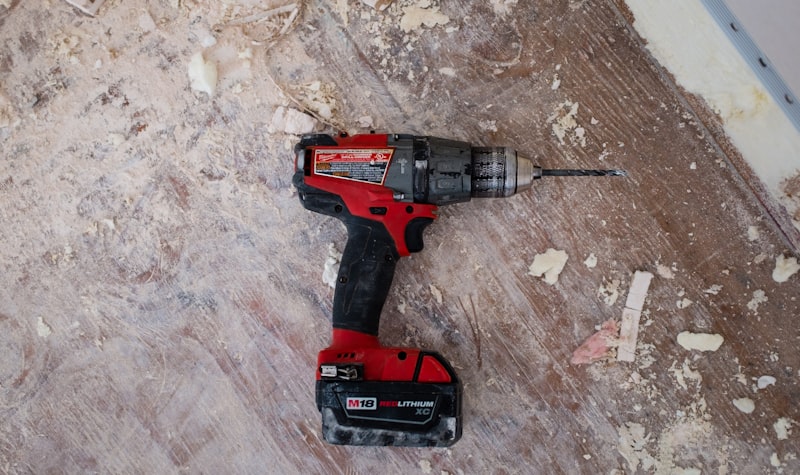
Mobile screen door repair is a high-demand, low-overhead neighborhood utility service. Homeowners frequently need torn fly screens replaced due to pets and weather damage. The typical pricing model is charging $45 to $65 per door plus materials, making it highly lucrative. The startup equipment includes screen rolls, spline tools, utility knives, and a portable workbench. The cost breakdown is $120 for initial screen materials, $50 for specialty hand tools, and $100 for local neighborhood flyers. This leaves $230 of your budget for transport costs and business registration. You scale this business by cross-selling gutter cleaning or window screen replacements, turning single repairs into high-ticket home maintenance visits.
4. Laser Engraving & Personalized Gifts

Custom engraving is a lucrative craft business that you can run from a desk. Clients buy personalized wood, leather, or metal items for weddings, birthdays, and corporate events. You can offer custom-branded leather patches on hats, personalized wooden cutting boards, or wedding name cards. The startup equipment includes a portable desktop laser engraver and design software. The cost breakdown is $250 for a starter laser engraving machine, $80 for raw materials like wooden blanks and leather patches, and $100 for setting up an online marketplace storefront. The remaining $70 covers packaging. You scale by building an active presence on social media and partnering with local wedding planners to secure bulk orders for customized party favors.
5. Drone Real Estate Photography

Drone real estate photography is a high-paying service for real estate agents looking to showcase properties from aerial perspectives. Before launching, be sure to check local airspace regulations using safety apps like B4UFLY and register for an official FAA commercial drone pilot license. The startup equipment includes a sub-$500 camera drone, spare batteries, and editing software. The cost breakdown is $300 for a quality starter drone, $100 for your commercial drone pilot license registration, and $50 for photo editing subscriptions. The remaining $50 covers digital business cards. You scale this business by pitching your high-resolution aerial shots to local real estate agencies, home builders, and commercial developers, creating steady weekly client relationships.
6. Trash Valet & Bin Sanitizing

Trash valet and bin sanitizing is an under-served local service. You clean and disinfect smelly outdoor trash cans for suburban homeowners using eco-friendly pressure nozzles. To optimize your routes and save on fuel, you should set up neighborhood route optimization sheets to service multiple homes in less time. The startup equipment includes a portable pressure washer attachment, deodorizing sprays, scrub brushes, and flyers. The cost breakdown is $150 for a utility pressure washer, $80 for sanitizing chemicals, and $100 for neighborhood flyers. This leaves $170 for transportation fuel and insurance. You scale this business by offering recurring monthly subscription cleanings, ensuring a predictable, steady flow of residual income from your residential clients.
7. High-Margin Digital Templates

Creating digital templates, planners, or Notion dashboards is a highly lucrative, passive business. You design the templates once and sell them infinitely. Writing detailed instructional PDFs to include with downloads is critical to avoid customer support requests. You can sell these templates on marketplaces like Gumroad, Etsy, or directly on your own website. The startup cost breakdown is $100 for website templates, $100 for initial social media ads, and $150 for premium design tools. The remaining $150 covers transaction platform fees. You scale by launching a monthly subscription service for premium assets or creating custom team workspaces for corporate clients. If you want to build this stream, check out our guide on creative money-making ideas.
8. Micro-SaaS/No-Code Developer

Using modern no-code platforms, you can build small software utilities (Micro-SaaS) that solve specific user problems without writing complex code. You can focus on building simple custom utilities, like a booking system for a local pet groomer or an order tracker for a bakery. You can build these tools using visual builders like Bubble, Softr, or Glide. To start, you need access to no-code builders and a database. The cost breakdown is $150 for no-code platform subscriptions, $150 for database hosting, and $150 for initial product marketing. The remaining $50 covers custom domain costs. You scale by introducing tiered pricing structures, adding features based on customer feedback, and selling the product to larger software aggregators once it reaches maturity.
9. Drop Servicing Agency

Drop servicing is a business model where you sell high-ticket digital services (like web design or SEO) and hire freelance professionals to execute the work at a lower cost. Writing clear white-label contracts is essential to protect client confidentiality and guarantee work quality. To get started, you need a professional website and lead generation tools. The cost breakdown is $120 for web hosting and a domain, $150 for subscription client finder tools, and $150 for targeted marketing. This leaves $80 for contract templates. You scale by building a reliable team of white-label freelancers and securing recurring monthly retainer clients, allowing you to manage operations without doing the technical work yourself.
10. Local SEO Consulting for Contractors

Local contractors like plumbers, roofers, and electricians are experts at their trades but often struggle with online marketing. You optimize their Google Business Profiles by adding geo-tagged photos, answering customer FAQs, and managing local listings to rank higher in local search results. The startup cost breakdown is $100 for domain hosting and website, $150 for SEO audit tools, and $150 for cold outreach campaigns. The remaining $100 covers business registration. You scale by charging a monthly retainer fee to manage their ongoing local search reviews and local keyword updates, building a stable monthly consulting revenue stream.
11. Silent Disco Equipment Rental

Silent disco rentals are popular for private birthday parties, weddings, and corporate team building events. You can offer customized playlist setups or rent extra transmitters for multiple music channels. You buy a set of multi-channel wireless headphones and transmitters, renting them out as a bundle package. The startup cost breakdown is $300 for a package of 15 wireless headphones and two transmitters, $100 for storage cases, and $100 for online marketing. You manage the deliveries and check the returns yourself. You scale this business by expanding your headphone inventory using your rental profits and partnering with event planners to secure repeat bookings.
12. Niche Amazon FBA Retail Arbitrage

Retail arbitrage involves finding highly discounted items at clearance sections of retail stores and listing them on Amazon for a profit. Using scanning apps like SellerAmp or Profit Bandit helps you calculate fees and profit margins on the spot. Amazon handles the shipping and customer support through their Fulfillment by Amazon (FBA) program. Setting up an Amazon professional seller account is required to access advanced tools. Learning this workflow is a great way to make $50 a day consistently. The startup cost breakdown is $100 for Amazon professional seller fees, $100 for packaging boxes and barcode labels, and $250 for your initial inventory purchases. The remaining $50 covers shipping costs to Amazon warehouses. You scale this business by finding wholesale suppliers once you understand which product categories sell fastest.
13. Mobile Bicycle Mechanic

Bicycle tune-ups and flat repairs are high-demand services for families and cyclists. You offer mobile repairs at trailheads, parks, or directly at client homes. Offering seasonal preventative packages before winter or spring is an excellent way to boost sales. The startup equipment includes a bicycle repair stand, patch kits, chain lubes, and a portable tool set. The cost breakdown is $120 for a repair stand, $100 for bicycle hand tools, $100 for spare tubes and cables, and $80 for local marketing. The remaining $100 covers transportation expenses. You scale this business by offering corporate tune-up days at local office parks, repairing multiple employee bikes in a single visit.
14. User Testing Agency

Startups need real human feedback before launching mobile apps and websites. You recruit local testers and run user experience sessions, delivering recorded video feedback to client companies. You can model your scripts after established testing platforms like UserTesting. You should write a detailed usability test script with specific tasks for users to complete while explaining their thoughts. The startup cost breakdown is $100 for video recording software licenses, $150 for a professional agency website, and $150 for targeted outreach campaigns to software startups. The remaining $100 covers tester recruitment incentives. You scale this business by packaging the feedback reports into premium usability analysis packages, charging software companies higher consulting fees for your findings.
15. Holiday Craft Fair Reseller

Holiday craft fairs and local flea markets generate massive seasonal sales. You can secure vendor space and resell unique items like handmade accessories, vintage items, or custom decor. Many sellers test their crafts online using platforms like Etsy first. You can find wholesale inventory on platforms like Alibaba or local liquidation warehouses at deep discounts. The startup cost breakdown is $100 for craft fair booth entry fees, $250 for inventory sourced from wholesale marketplaces, and $100 for professional table displays and signage. The remaining $50 is kept for transaction fees. You scale this business by booking booths at multiple adjacent weekend markets during peak holiday shopping seasons, maximizing your seasonal sales volume.
16. Mobile Voiceover & Audio Recording

With the rise of corporate e-learning and online advertising, there is an constant demand for professional audio voiceovers. You record narrations, training modules, or commercial ads from home. This is an excellent way to secure high-paying work-from-home online jobs. You can offer audio editing and background music mixing services to increase your average order value. The startup equipment includes a condenser microphone, an audio interface, and a pop filter. The cost breakdown is $180 for a quality USB condenser microphone, $120 for portable acoustic foam panels, and $100 for portfolio website hosting. The remaining $100 covers platform registration. You scale this business by pitching your audio services directly to video editing agencies and corporate content creators.
Conclusion: Taking the First Step
Starting a business with $500 or less is completely realistic in 2026. The key to success is to avoid over-complicating your operations in the early stages. Do not let analysis paralysis hold you back; taking action is the single most important step. Focus on delivering exceptional value to your early customers, gathering testimonials, and reinvesting your early profits to purchase better equipment or scale your advertising. If you need to raise your initial capital, check out our guide on how to make $500 fast without a job. To manage your new earnings, it’s also smart to start a household budget. Choose the business idea that aligns best with your existing skills and interests, set up your draft plan, and launch your venture today. Consistency and patience are the ultimate factors that will turn your low-budget startup into a highly profitable enterprise.