Introduction: Feeding Your Family on a Budget
The rising cost of groceries has made feeding a family one of the most stressful monthly household expenses. Many families watch their hard-earned cash disappear weekly at the checkout counter, wondering if it is even possible to eat nutritious meals without breaking the bank. We are here to tell you that it is indeed possible to feed your family on a budget (for more cash flow, see our guide on legit ways to make money from home). With a strategic approach, a solid meal plan, and a focus on nutrient-dense staples, a $200 a month grocery list is not just a pipe dream—it is a practical, highly achievable reality. This guide is designed for anyone looking to slash their grocery bill, including low-income families, college students, and individuals saving for major financial milestones. Budget cooking does not mean sacrificing health or eating boring, bland food every day. Instead, it is about shifting your focus toward whole foods, basic ingredients, and smart shopping habits. By taking control of your grocery budget, you can free up funds for other important financial goals while still serving delicious, home-cooked meals that keep your family satisfied, healthy, and full of energy. With the right strategies, you can transition to a more frugal way of living without feeling deprived.
Is $200 a Month Really Enough? The Reality Check
Before we dive into the specific grocery items, it is important to perform a quick reality check. Can you really feed a family on $200 a month? The short answer is yes, but it requires setting clear assumptions. A $200 monthly budget is ideal for a household of two adults, or two adults and a young toddler. If you have a larger family of four or five, this list will serve as an excellent baseline that you can easily scale up to $350 or $400 a month. Additionally, staying under this budget depends heavily on several variables: where you live, the local stores available to you, and your family’s specific dietary needs. If you have severe food allergies or require specialized organic products, your baseline costs will naturally be higher. However, for the average consumer, this budget is highly achievable if you are willing to cook from scratch, minimize convenience foods, and utilize discount grocery stores. View this budget not as a restriction, but as a creative challenge to master frugal cooking and eliminate household waste.
The Sample $200 Grocery List
To make this budget work, you must focus on highly versatile, low-cost ingredients that can be combined in multiple ways. By choosing these ingredients, you ensure that your pantry is stocked with items that have a long shelf life. This reduces the frequency of your store visits and helps you stick to your financial limits. Here is a realistic sample grocery list based on average U.S. prices, totaling exactly $197.00:
Grains & Pantry Staples ($34.00)
– White or Brown Rice (10 lbs) – $8.00: Rice is the ultimate filler and forms the base of many cheap dinners.
– Rolled Oats (4 lbs) – $5.00: Oats are the cheapest breakfast option and are packed with healthy fiber.
– Durum Wheat Pasta (8 boxes) – $8.00: Pasta is cheap, filling, and quick to cook on busy weeknights.
– All-Purpose Flour (5 lbs) – $3.00: Flour allows you to bake your own fresh bread, pizza dough, and pancakes.
– Active Dry Yeast or Baking Powder – $3.00: Essential rising agents for scratch baking.
– Vegetable Cooking Oil & Basic Seasonings – $7.00: Necessary fats and flavors for cooking.
Proteins ($66.00)
– Farm-fresh Eggs (4 dozen) – $12.00: Eggs are a complete, cheap protein source for breakfasts and baking.
– Canned Light Tuna in Water (8 cans) – $8.00: Tuna provides a quick, healthy lunch protein.
– Bone-in Chicken Quarters or Drumsticks (10 lbs) – $15.00: Bone-in cuts are the cheapest way to buy meat.
– Ground Turkey or Lean Ground Beef (4 lbs) – $16.00: Ground meat is highly versatile for pasta and taco bowls.
– Dry Black Beans (4 lbs) & Green Lentils (2 lbs) – $9.00: Legumes are the cheapest shelf-stable proteins.
– Creamy Peanut Butter (2 large jars) – $6.00: Healthy fats and proteins for quick snacks.
Produce ($47.00)
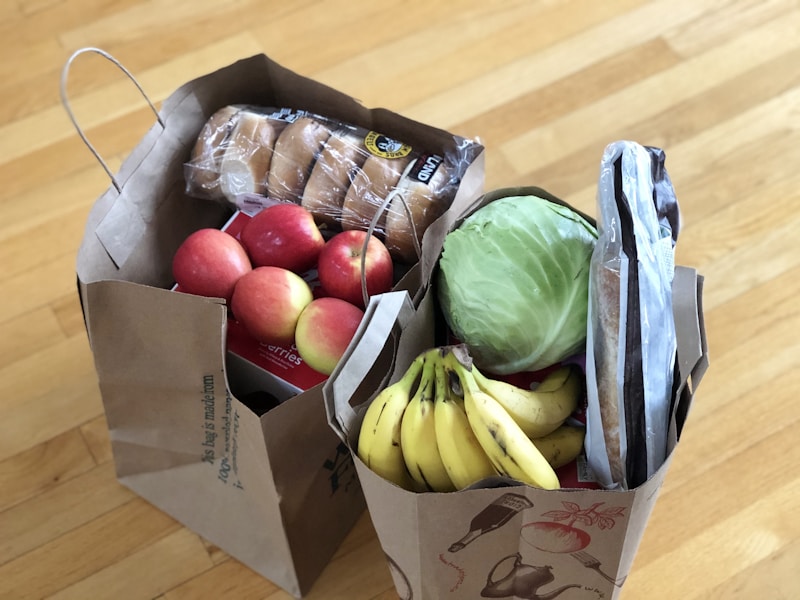
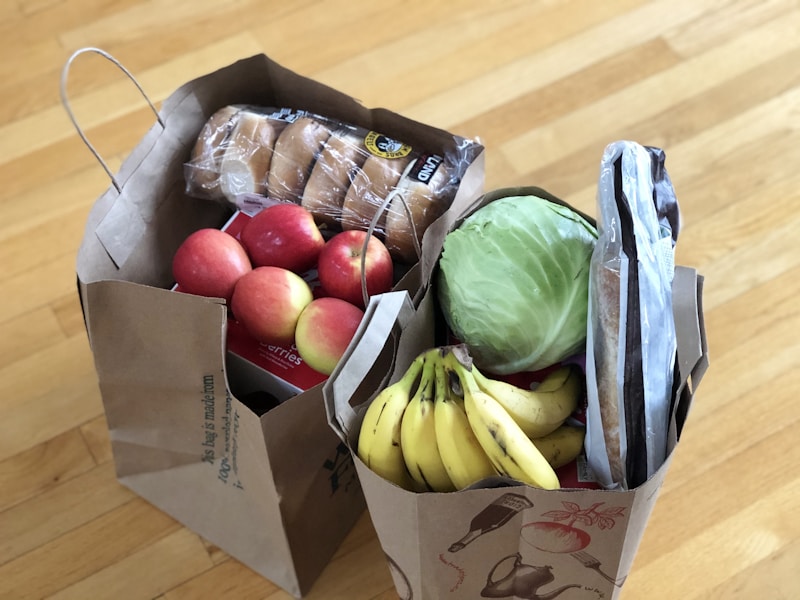
– Yellow Bananas (10 lbs) – $6.00: Bananas are the most affordable fresh fruit available.
– Sweet Red Apples (6 lbs) – $8.00: Apples are a crisp snack that lasts for weeks in the fridge.
– Whole Carrots (5 lbs) – $4.00: Carrots are cheap, healthy, and add sweetness to soups and stews.
– Russet Potatoes (10 lbs) – $7.00: Potatoes are incredibly filling and can be baked, mashed, or fried.
– Yellow Onions (5 lbs) – $4.00: Onions provide an essential flavor base for almost every savory dish.
– Canned Crushed Tomatoes (8 cans) – $8.00: Tomatoes form the base for pasta sauces and chili.
– Frozen Mixed Vegetables (8 bags) – $10.00: Frozen veggies prevent waste and are packed with nutrients.
Dairy & Alternatives ($35.00)
– Whole or Low-fat Milk (4 gallons) – $14.00: Milk is a key ingredient for oatmeal, baking, and drinking.
– Cheddar Cheese block (2 lbs) – $8.00: Buying cheese in blocks is cheaper than buying pre-shredded bags.
– Plain Greek Yogurt (2 large tubs) – $7.00: Yogurt is a healthy snack and a great substitute for sour cream.
– Unsalted Butter (2 lbs) – $6.00: Essential for cooking fat, baking, and spreading.
Snacks & Extras ($15.00)
– Popcorn Kernels (2 lbs) – $3.00: Popcorn is a highly economical snack compared to bagged potato chips.
– Frugal Pretzels or Crackers (3 boxes) – $6.00: Low-cost snacks to pack in school or work lunches.
– Basic Tea Bags or Coffee Ground – $6.00: Frugal caffeine options to keep you energized.
Meal Planning Strategy for Budget Success
 roasted chicken quarters and tomato sauce in glass meal prep containers in a sunny kitchen.” class=”aligncenter size-full” />
Having a budget-friendly grocery list is only half the battle; the real magic happens when you plan your meals strategically. A successful budget meal planning strategy revolves around the concept of batch cooking and stretching ingredients. Instead of cooking a completely new meal from scratch every single night, focus on preparing large, versatile bases. For example, cooking a large pot of black beans and brown rice on Sunday allows you to create quick burritos, rice bowls, and bean soups throughout the week. When you purchase bone-in chicken quarters, roast them all at once. Save the chicken meat for dinners, and boil the bones to create a rich, nutritious chicken broth that can form the base of a hearty vegetable soup. By planning your meals around what is already in your pantry, you minimize trips to the grocery store, which is where impulse buys typically happen. Start your weekly planning by checking what needs to be used up in your fridge first, then build your menu using your pantry staples. This method ensures that no food goes to waste and every ingredient is utilized to its full potential.
Smart Shopping Tips to Stay Under Budget

Where you shop and how you navigate the store aisles will determine whether you stay under your $200 target. First, choose your grocery store wisely. Avoid high-end supermarket chains and opt for discount grocers like Aldi, Lidl, or Walmart. These stores offer significantly lower prices on basic staples like eggs, milk, and flour. Second, always choose store brand or generic items over brand-name products. Store brands are often manufactured by the same companies as brand-name products, but they cost 20% to 50% less simply because they lack expensive marketing budgets. Third, buy whole foods rather than pre-cut or processed convenience items. Purchasing a five-pound bag of whole carrots and peeling them yourself is far cheaper than buying pre-cut baby carrots. The same rule applies to blocks of cheese; buying a block of cheddar and grating it at home is cheaper and healthier than buying bags of shredded cheese containing anti-caking agents (learning how to make a budget is critical to mastering these smart shopping habits). By investing a small amount of time in basic prep work, you can keep your grocery bills remarkably low.
Frugal Money-Saving Tricks

To stretch your $200 budget even further, you should implement a few classic frugal saving tricks. Start by checking your local grocery store’s weekly circular. Plan your fresh purchases around whatever meat or produce is currently on sale. If chicken drumsticks are heavily discounted, buy extra and stock your freezer. Additionally, utilize free cashback apps like Ibotta or Fetch Rewards. These apps allow you to scan your grocery receipts and earn points that can be redeemed for free gift cards, reducing your out-of-pocket expenses. Another excellent trick is to shop for marked-down meats early in the morning. Many grocery stores discount meats that are approaching their sell-by date by 50% or more. These meats are perfectly safe to eat and can be cooked immediately or frozen for later use. Finally, learn the sales cycles of your favorite stores so you know exactly when to stock up on pantry staples at their lowest prices. Using these simple steps will help you maximize your savings.
Sample Weekly Budget Meal Plan
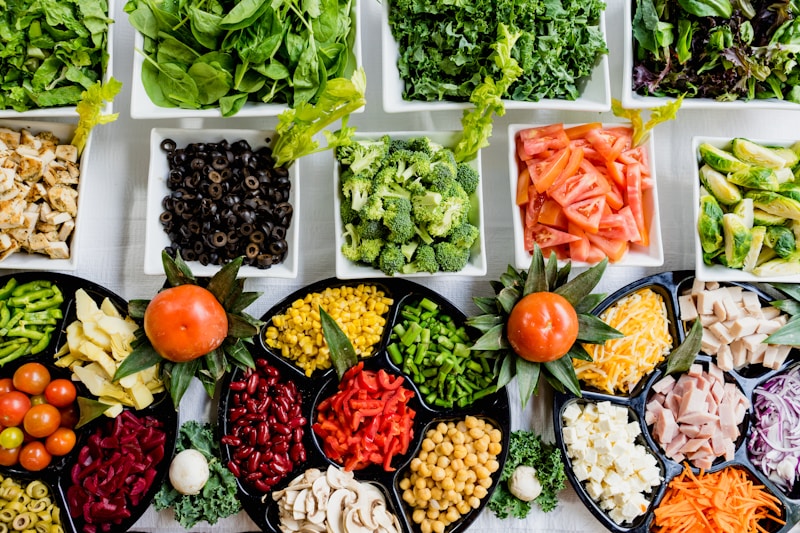
To show you how the $200 grocery list translates into daily life, here is a sample weekly meal plan that is delicious, filling, and highly economical:
– **Monday:** Breakfast is warm rolled oats cooked in milk with sliced bananas. Lunch is a classic tuna salad sandwich on homemade bread. Dinner is roasted chicken quarters served with baked potatoes and steamed frozen vegetables.
– **Tuesday:** Breakfast is scrambled eggs with toast. Lunch is leftover chicken and roasted vegetables. Dinner is a hearty black bean and rice bowl topped with grated cheddar cheese and diced onions.
– **Wednesday:** Breakfast is plain Greek yogurt sweetened with banana slices. Lunch is a tuna salad wrap. Dinner is a frugal pasta bake using canned tomatoes, onions, garlic, and melted cheese.
– **Thursday:** Breakfast is oatmeal with a pinch of cinnamon. Lunch is leftover pasta bake. Dinner is a comforting bowl of green lentil soup served with toasted homemade bread.
– **Friday:** Breakfast is fried eggs on toast. Lunch is leftover lentil soup. Dinner is homemade pan pizza made from scratch using flour, yeast, canned tomatoes, and cheddar cheese.
– **Saturday:** Breakfast is fluffy pancakes made from flour, milk, and eggs. Lunch is egg salad sandwiches. Dinner is chicken and vegetable stir-fry served over a bed of white rice.
– **Sunday:** Breakfast is yogurt with oatmeal topping. Lunch is leftover stir-fry. Dinner is a classic “clean-out-the-fridge” frittata made with eggs, diced potatoes, onions, and any leftover veggies.
This meal plan ensures you use up all fresh items and leftovers efficiently, maintaining zero waste.
Common Mistakes That Blow the Grocery Budget
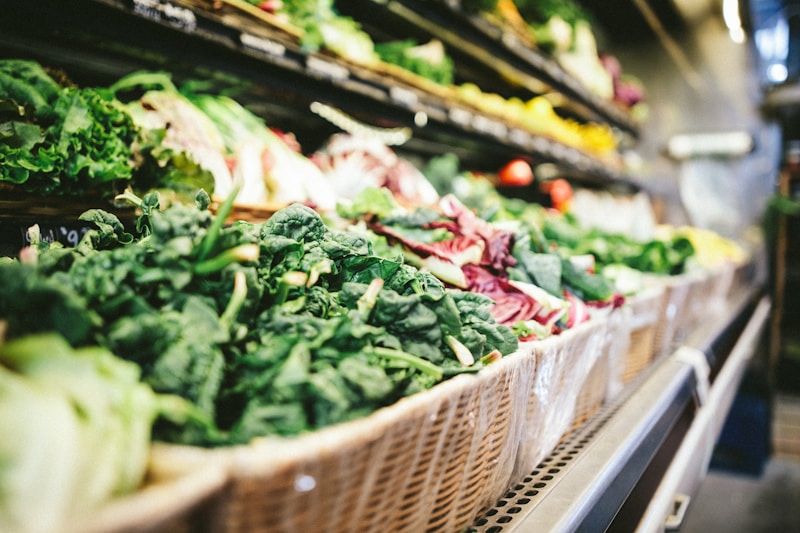
When trying to maintain a strict budget, even small slip-ups can add up and cause you to overspend. The most common mistake is shopping without a detailed list or straying from it once you are in the store. Every impulse buy, whether it is a candy bar at the register or an unplanned bag of chips, chip away at your budget. Another major mistake is purchasing convenience foods like frozen dinners, pre-packaged snacks, and individual yogurt cups. You are paying a high premium for the packaging and preparation labor. Additionally, letting food go to waste is equivalent to throwing cash directly into the garbage. Store your fresh produce properly, freeze leftovers before they spoil, and commit to eating what you buy. Finally, avoid shopping when you are hungry. Studies show that hungry shoppers buy more calorie-dense, expensive processed foods that quickly inflate the grocery receipt (having a solid savings buffer can help, so check out how to make $50 a day consistently). Sticking to your list is your best defense against overspending.
Conclusion: Your Path to Budget Cooking

Finding success on a $200 a month grocery budget is entirely about changing your mindset and developing consistent habits. It requires shifting away from convenience foods and embracing the simplicity of cooking whole foods from scratch. While it may seem intimidating at first, you will quickly discover that frugal cooking can be incredibly rewarding, creative, and delicious. By planning your weekly meals around versatile pantry staples, shopping at discount grocery stores, and avoiding common shopping mistakes, you can feed your family nutritious meals while keeping your finances firmly on track. Remember that consistency is key; do not get discouraged if you go slightly over budget in your first week. Adjust your shopping habits, learn your local store prices, and keep moving forward. With patience, planning, and the right grocery list, you will master the art of budget cooking and achieve your financial goals. By maintaining a positive, determined attitude, your journey to frugal cooking will not only save you money (and if you are looking for supplementary income, consider taking on part-time evening jobs) but also bring your family closer together over healthy, home-cooked meals.