
The creator economy in 2026 has opened up unprecedented monetization channels for visual artists, illustrators, and comic creators. Historically, artists seeking to earn a living from their drawing skills were limited to local freelance gigs, teaching, or traditional print publishing. Today, global platforms, automated digital marketplaces, and direct fan-subscription networks make it possible to build a profitable, full-time drawing career from anywhere in the world. Whether your focus is Japanese-style anime, classic western cartoons, or indie comic books, your illustration skills represent a valuable commercial asset.
However, transitioning from a hobbyist to a paid professional illustrator requires more than just artistic talent; it demands a strategic understanding of commercial markets, client relationship management, and diverse income streams. Stacking multiple passive and active revenue sources protects you from market volatility and builds a resilient financial safety net. As you transition into managing your creative business, mastering standard financial structures is key; resources like our guide on how to make a budget can help you organize your earnings. This comprehensive guide outlines fifteen practical, proven pathways to get paid to draw cartoons, anime, and comics, helping you turn your creative passion into a stable digital business.

1. Selling Custom Commissions on Freelance Platforms
Freelance platforms remain one of the most accessible starting points for artists looking to secure client work. On platforms like Fiverr, Upwork, and Artistree, artists can define specific commission packages, showcase portfolio pieces, and connect with global clients who need custom cartoon portraits, anime avatars, or comic book illustrations. Artistree is particularly popular among digital illustrators as it handles payment processing and invoice terms without charging hefty commission splits.
To succeed in freelance commissions, establish clear package boundaries and turnaround times. Package your offerings by complexity: starting with a basic clean sketch, a flat-color option, and a premium fully-rendered illustration. Having a clear contract regarding revisions and commercial usage rights prevents client misunderstandings. Freelance drawing acts as a flexible make money from home gig that lets you build client communication skills while growing your portfolio.

2. Launching a Subscription Fan-Funding Channel on Patreon
Subscription-based fan-funding networks allow artists to monetize their loyal audience through monthly recurring memberships. Platforms like Patreon, Ko-fi, and Pixiv Fanbox enable cartoonists, manga artists, and character designers to offer exclusive perks to supporters who pay a monthly tier fee. This model shifts your dependency from unpredictable single-commission gigs to a predictable monthly income.
Successful creators use tiered pricing strategies to cater to different budget levels. For instance, a $3 monthly tier might grant fans early access to webcomic pages, a $10 tier could offer downloadable high-resolution wallpapers and digital step-by-step progress shots, and a $25 tier might include monthly custom sketch commissions or digital brush packs. Providing consistent monthly rewards builds deep community connection and turns supporters into active brand advocates.

3. Publishing and Monetizing Webcomics and Manga
The global webtoon market has grown into a multi-billion-dollar industry, giving independent comic creators a massive direct-to-reader audience. Platforms like Webtoon, Tapas, and GlobalComix allow creators to publish vertical-scroll manga and cartoons for free, building massive fan bases. Creators monetize their webcomics through built-in ad revenue sharing programs, creator support programs, and paid early-access models.
Building a popular webcomic requires a disciplined release schedule and compelling visual storytelling. Focus on character expression and pacing, using weekly or bi-weekly updates to keep readers engaged. Once your comic gains traction, you can leverage early-access models—where readers purchase platform currency to read upcoming episodes ahead of the public—to establish a highly profitable recurring income stream.
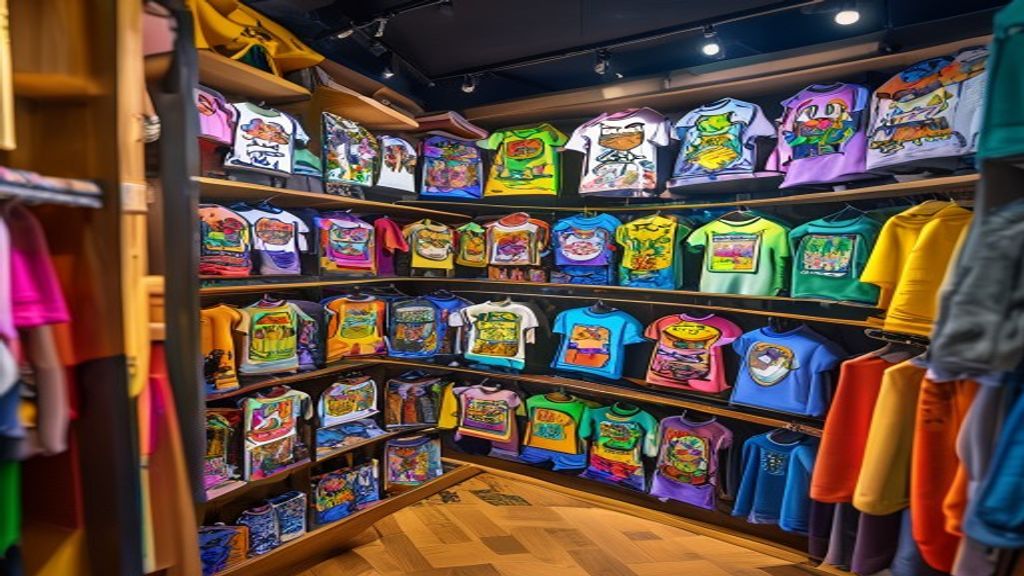
4. Designing and Selling Print-on-Demand Merchandise
Print-on-demand services allow artists to put their cartoon, anime, or comic art onto physical merchandise without purchasing inventory or managing shipping. By uploading high-resolution digital designs to platforms like Redbubble, TeePublic, and Society6, your art is automatically adapted for t-shirts, stickers, mugs, and phone cases. The platform handles the manufacturing, billing, and order fulfillment, paying you a royalty fee on each sale.
To maximize print-on-demand earnings, research current trending topics, internet memes, and pop culture aesthetic styles. Designing art that appeals to specific niche interests, such as gaming, cute animals, or retro animation, increases visibility in platform searches. Stacking multiple print-on-demand listings is a classic passive side hustle idea to generate ongoing royalty income while you focus on drawing new content.

5. Licensing Digital Art Assets on Creative Marketplaces
Monetizing the tools and resources you create during your drawing process is an excellent source of passive revenue. Digital art marketplaces like Gumroad, Creative Market, and Design Cuts allow you to package and sell digital assets, including custom Procreate brush sets, Photoshop textures, character sheets, anatomical templates, and comic book speech bubble vectors.
Professional and hobbyist artists are constantly searching for resources that speed up their production pipelines. A pack of anime eye templates or speed-inking brushes that sells for $10 can be purchased hundreds of times. This requires a one-time effort of design and packaging, resulting in automated digital distribution that yields high profit margins with zero physical shipping costs.

6. Earning Royalty Income from Stock Illustration Sites
If you enjoy creating icons, flat vector shapes, decorative borders, or simple cartoon characters, stock illustration platforms offer a steady royalty-based stream. Platforms like Adobe Stock, Shutterstock, and Getty Images accept high-quality vector illustrations and digital graphics for commercial licensing. Corporate graphic designers, web developers, and advertisers purchase these stock illustrations to use in commercial marketing materials.
Focus on creating clean, scalable vector graphics (EPS or SVG formats) that are easy for designers to integrate into commercial layouts. Designing seasonal illustrations—such as holiday graphics, business cartoons, or lifestyle icons—ensures consistent download volumes. Each download pays a small royalty, which compounds as your portfolio grows into thousands of unique digital assets.

7. Participating in Online Art Contests and Design Battles
Online design contests offer cartoonists and character designers an avenue to gain industry exposure and win significant cash prizes. Websites like Threadless, Minted, and various gaming platforms host themed design challenges. Artists submit original illustrations, and the community votes on their favorite designs. Winning entries are manufactured as apparel or merchandise, and creators receive cash prizes and ongoing royalties.
Participating in contests demands an understanding of platform demographics and community tastes. Even if your submission does not win the grand prize, the process exposes your art to thousands of potential fans and industry representatives, which can lead to direct commercial commissions. Treat contests as a structured exercise to test new concepts and refine your illustration speed.
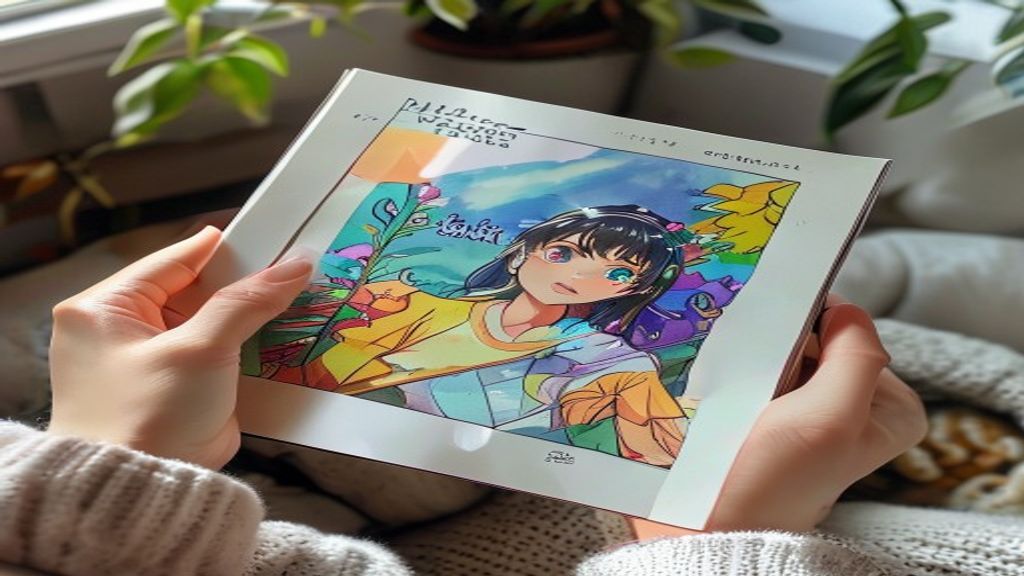
8. Self-Publishing Art Anthologies and Graphic Novels
Self-publishing has democratized the book industry, allowing comic artists and character designers to print physical art books and graphic novels without a traditional publisher. Platforms like Amazon KDP, Lulu, and Mixam offer print-on-demand book printing. Artists can compile character sketch collections, lore guides, or complete comic anthologies into professional physical books.
Many creators use crowdfunding campaigns on Kickstarter or Indiegogo to fund their initial printing runs, ensuring production costs are covered before printing starts. Self-publishing allows you to maintain full ownership of your intellectual property and creative control, while giving fans a premium physical asset to display on their shelves.
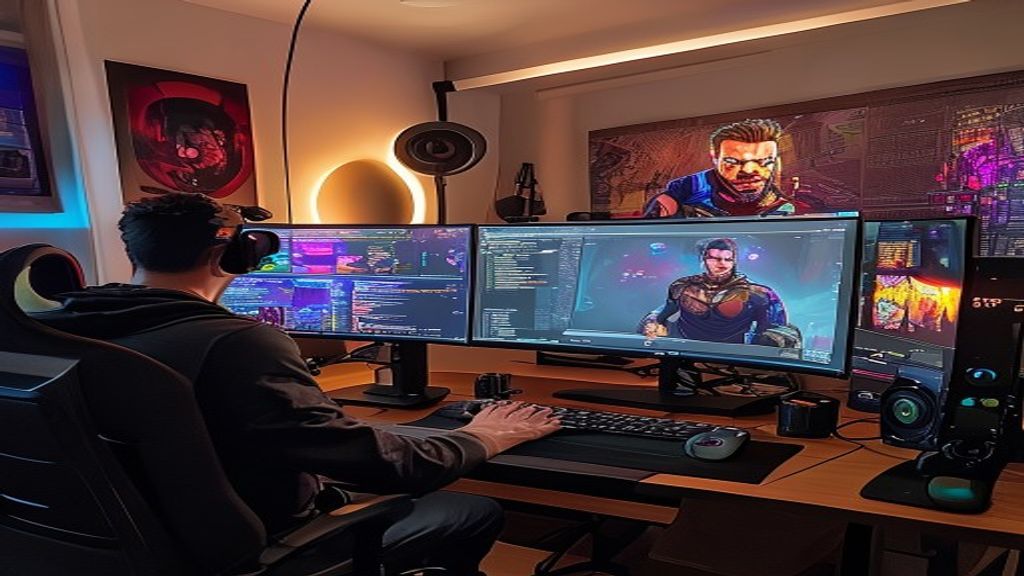
9. Live Streaming the Creative Process
Live streaming has evolved into a popular entertainment category, allowing illustrators to monetize their daily practice sessions. Platforms like Twitch, YouTube Live, and Kick host active creative communities where artists stream their digital painting workflows, chat with viewers, and share industry tips. Streamers earn income through ad revenue sharing, paid subscriptions, virtual donations, and brand sponsorships.
Building a successful art stream requires consistent scheduling and interactive engagement. Discuss your drawing techniques, review viewer portfolios, or take sketch suggestions in real time to build community. Live streaming transforms a solitary drawing routine into an interactive hub, providing a steady income stream for artists who enjoy sharing their creative journey.

10. Developing Assets for Independent Games
The indie game development sector is thriving, creating high demand for custom 2D art assets. Game developers often need character sprite sheets, user interface components, environmental tilesets, and visual novel background panels. Marketplaces like Itch.io and the Unity Asset Store allow artists to package and sell pre-made game asset packs directly to developers.
Alternatively, you can secure custom design contracts with independent studios. Specializing in game asset formatting—such as loopable background tiles, isometric angles, or pixel art animation frames—makes you highly competitive. For artists who want to make money fast, the gaming sector offers lucrative contract opportunities and ongoing asset royalty streams.

11. Creating and Selling Online Art Tutorials
If you have mastered digital painting, hand-lettering, comic pacing, or anatomy drawing, packaging your knowledge into online video tutorials can be a lucrative venture. Platforms like Udemy, Skillshare, and Gumroad make it simple to host and sell pre-recorded video courses to aspiring artists worldwide.
Structure your course into clear, bite-sized lessons covering specific topics, such as “Mastering Anime Eyes in Procreate” or “How to Ink Comic Book Pages.” Offering downloadable worksheets and assignments adds value and encourages positive reviews. Educational content serves as a high-margin passive income stream, establishing you as an authority in the digital art community.
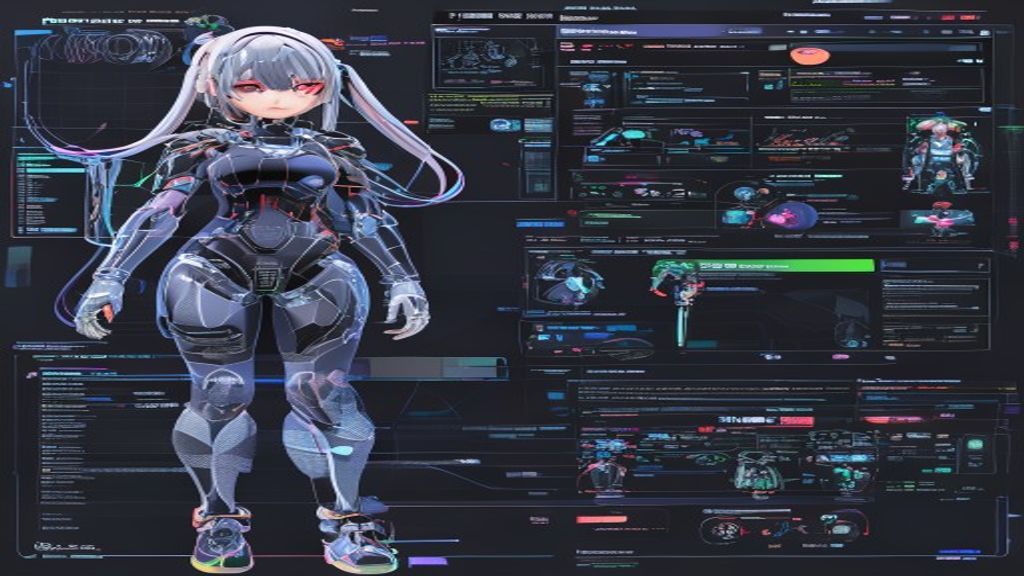
12. Illustrating and Rigging Vtuber Avatars
The VTubing phenomenon has created a highly lucrative niche market for anime artists. VTubers are online streamers who use virtual 2D or 3D anime models tracked to their facial expressions. Creating these virtual avatars requires specialized illustration techniques: drawing character designs split into dozens of independent layers (eyes, hair strands, clothes) prepared for Live2D rigging software.
Because creating a high-quality Vtuber model demands technical precision, artists routinely command premium pricing, with custom models costing anywhere from $500 to over $3,000. Offering rigging services along with illustration increases your value, turning this into one of the highest-paying digital art commissions available today.
13. Commercial Storyboarding for Production Studios
Storyboarding is an essential phase in video production, film, and advertising. Directors and ad agencies hire storyboard artists to translate scripts into sequential panels, visualizing scene layouts, camera angles, and character movements before filming starts. Storyboard work is fast-paced and relies on clear composition and perspective.
To enter this field, assemble a portfolio demonstrating camera direction, character acting, and narrative flow. Storyboarding is an excellent pathway for artists seeking professional industry contracts with local film crews, marketing agencies, or corporate production teams, offering high-paying commercial rates for fast illustration work.

14. Pitching Syndicated Cartoons and Comic Strips
While digital publishing is dominant, traditional syndication and print publishing continue to represent prestigious avenues for cartoonists. Pitching your comic strip to syndicates like Andrews McMeel Syndication or submitting kids’ book proposals to traditional publishing houses can secure advances and syndication contracts. This model distributes your drawings to newspapers, online portals, and book stores globally.
Traditional publishing requires a professional pitch package, including character turnarounds, sample strips, and a detailed synopsis. Securing a syndication or publishing contract provides substantial industry backing, allowing you to reach broader demographics and secure licensing deals for merchandise, adaptations, and print collections.

15. Merchandising at Comic and Anime Conventions
Selling physical merchandise in the Artist Alley of local comic and anime conventions is an exciting, high-income pathway. Artists print their original drawings as prints, stickers, enamel pins, keychains, and charms, setting up physical retail booths to sell directly to pop culture enthusiasts. This path offers immediate feedback and high cash-flow potential.
Success at conventions depends on booth layout, product variety, and personal charm. Offering bundle deals and displaying eye-catching banners helps attract attendees. Conventions serve as a great way for artists who want to build physical connections with fans and network with other professional creators in the industry.
Conclusion: Building a Sustainable Illustration Career
Succeeding as a professional illustrator in 2026 is about blending artistic excellence with strategic business management. Whether your passion lies in drawing intricate manga panels, designing playful cartoon icons, or writing graphic novels, you must diversify your income by combining active commissions, digital asset sales, and physical merchandise. If you are seeking a career model that minimizes direct human client interaction, review our breakdown of jobs for people who hate people to see how independent art sales align with your preferences.
Start by choosing two or three monetization models from this guide that match your style and target demographic. Set up your digital storefronts, establish your posting routines, and build your community. Over time, these combined streams will build a dependable, rewarding career that pays you to do what you love most. Committing to a consistent creative habit and maintaining financial discipline is the ultimate framework to ensure your art career pays dividends for years to come.